Leaves are slowly falling from the trees and it’s getting colder. Autumn just started, so it’s a good season to drink more hot tea, especially green tea. Grab your blanket, make a cup of green tea and snuggle on the couch. Enjoy!
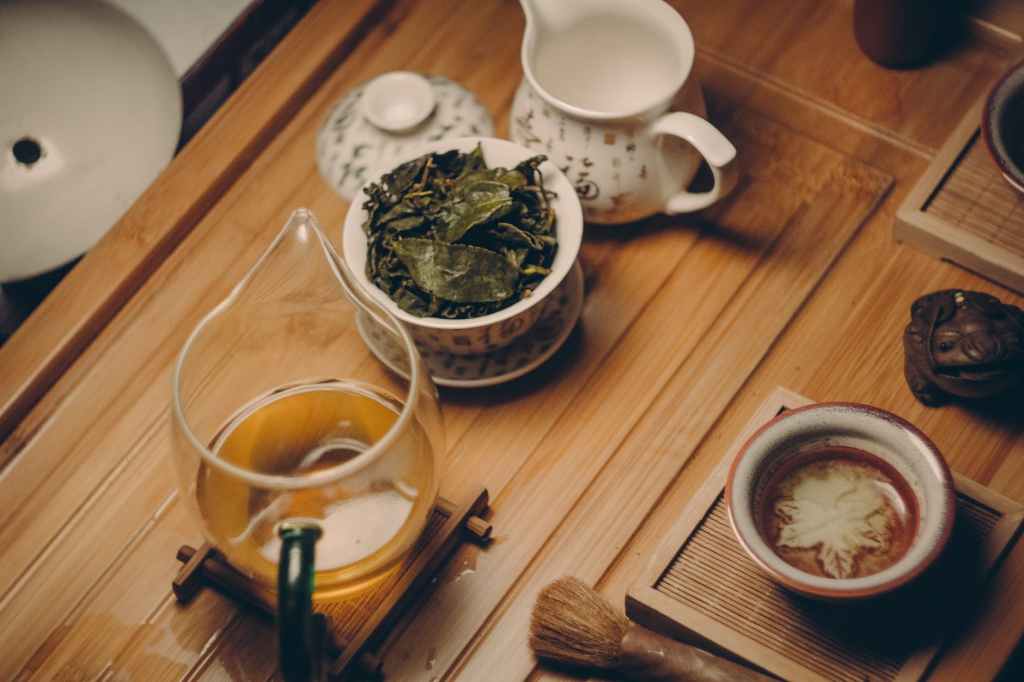
Green tea is made from the leaves and buds of the Camellia sinensis plant. Unlike black tea, the leaves undergo minimal processing, which preserves their vibrant green color and unique flavor. This tea originated in China and has been enjoyed for centuries in East Asia. Nowadays it is consumed worldwide.
The leaves are minimally processed which leads to higher levels of natural antioxidants and other beneficial compounds. The flavor can be grassy, vegetal, delicate and sometimes with floral or fruity notes.
There are different types of green tea with its own flavor and processing method. Here are some examples of green tea:
- Sencha: the most common type of green tea. It has a light and grassy flavor.
- Genmaicha: a combination of sencha tea with puffed rice.
- Gyokuru: shade-grown tea with a sweet unami flavor.
- Gunpowder: a tea of which each leaf rolled into a small pellet.
- Longjing: a Chinese green tea with flat dragonwell shaped leaves.
Green tea is normally brewed with hot water at a lower temperature than black tea, between 65℃ and 80℃. This is to avoid bitterness. Use spring water or filtered water for a better taste.

This delicious tea seems to have many benefits. It can have influence on:
- Weight management. Green tea contains caffeine, which can boost metabolism and fat burning. It can be helpful to manage weight.
- Heart health. Green tea can lower bad cholesterol and improve blood vessel function. This can reduce the risk of heart disease.
- Boosting antioxidants. Green tea contains antioxidants called polyphenols, which can help fight free radicals linked to cell damage and chronic diseases.
- Improving bone health. The tea can play a role in bone mineral density and reducing the risk of osteoporosis.
- Lower the risk of diabetes type 2. This tea can improve blood sugar control and insulin sensitivity.
- Skin health. The antioxidants can provide benefits for skin health and can protect against UV damage.
- Boosting the immune system. It can increase the activity of immune cells in the body.
While research has proven many of these benefits, more research is necessary. It also depends per person what the benefits can be. Also don’t forget that green tea contains caffeine, so it should be consumed in moderation. What is your favourite cup of green tea?
 Jane Regina Sauer